
Who Killed The Ambassador?
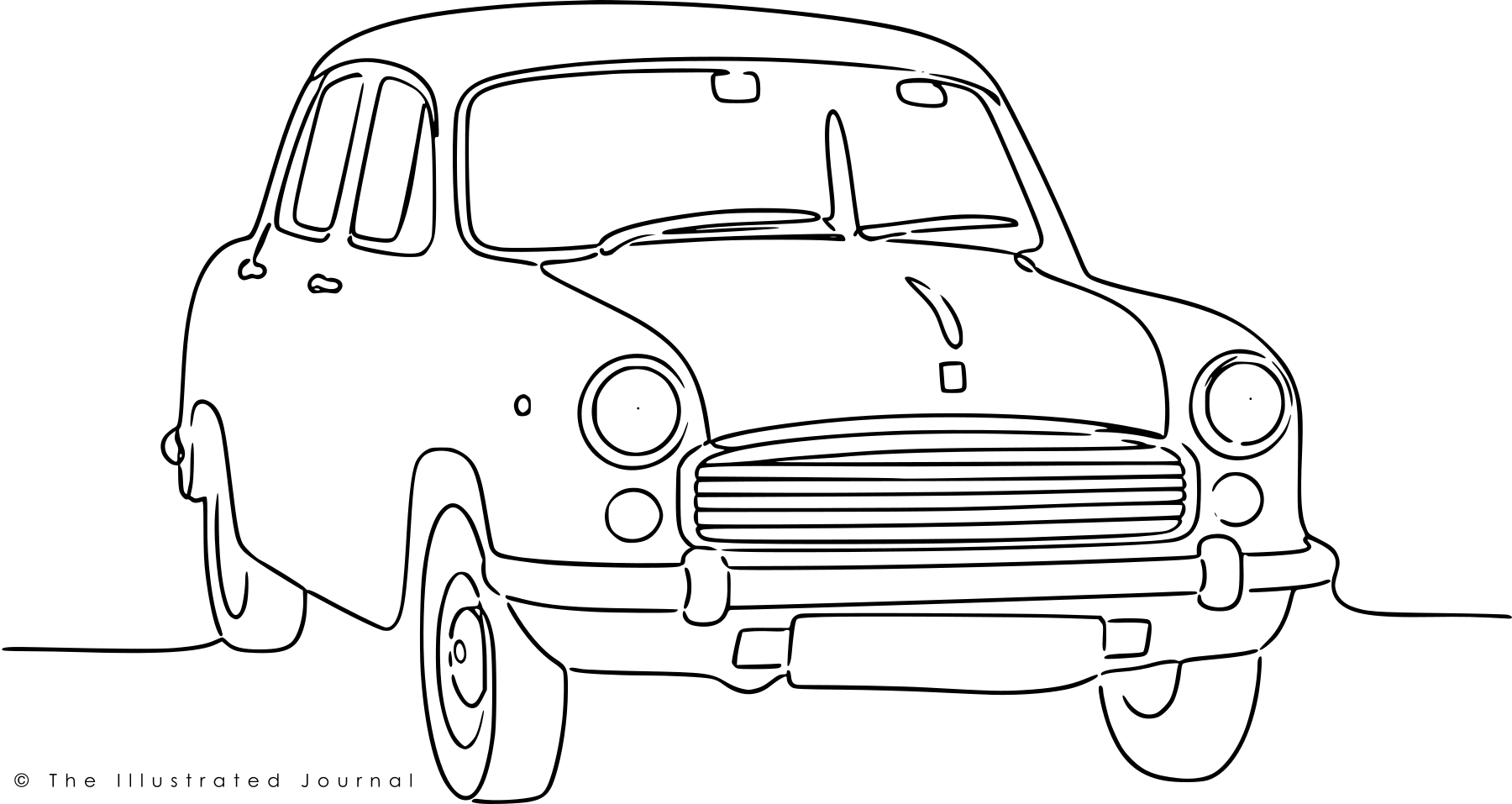
He was the epitome of power. He was an icon. He moved with equal ease through the corridors of power and the crowded streets of Indian cities. People loved him. Yet when his end came, it was little more than a quiet whimper. People simply moved on.
The last of the iconic Ambassador cars rolled off the production line.
Fondly known as the Amby, the Ambassador was India’s first domestically manufactured car.
Originally based on the Morris Oxford, its design remained largely unchanged from the time production began in 1957. Not too long ago, it was the preferred vehicle of politicians, bureaucrats, taxi drivers, and families alike. In 2013, the BBC’s Top Gear even crowned the Ambassador the world’s best taxi. Yet when the final Amby rolled out of the factory at Uttarpara, West Bengal, in May 2014, there were hardly any tears shed.
Reading the few tributes and opinions written about its demise, one finds a familiar explanation. The Ambassador failed to keep pace with changing market demands. The company, meanwhile, cited falling sales, labour issues at the Uttarpara plant, and a severe shortage of funds. All these reasons may be true.
But I think something more was lost that day.
The Ambassador was one of the great social equalizers of Indian society.
Every society has its status symbols. They may be the neighbourhood you live in, the car you drive, the restaurants you frequent, or even the clothes you wear. These markers often determine where one stands in the social hierarchy. Yet the Ambassador occupied a unique space. It was owned by cabinet ministers and taxi operators, industrialists and middle-class families. Few symbols in modern India managed to bridge such vastly different worlds.
Critics may argue that the Ambassador did not evolve with the times. Perhaps it did not. But one must also ask: how much could it have changed before it ceased to be the Ambassador at all? Would a thoroughly redesigned Amby have carried the same character and affection that generations of Indians associated with it? I am not so sure.
In the end, the Ambassador was more than a car. It was a part of India’s cultural memory. It witnessed political transitions, family journeys, official convoys, wedding processions, and countless everyday stories. It belonged as much to the nation as it did to its owners.
If India were ever to declare a national car, much as it has a national animal or bird, the Ambassador would surely be the most deserving candidate.


